King Turkey of the Fall Season SVG
A Warm, Whimsical Anchor for Autumn Embroidery Projects
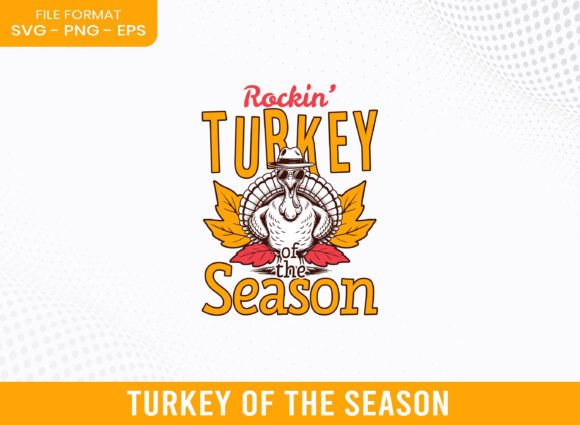
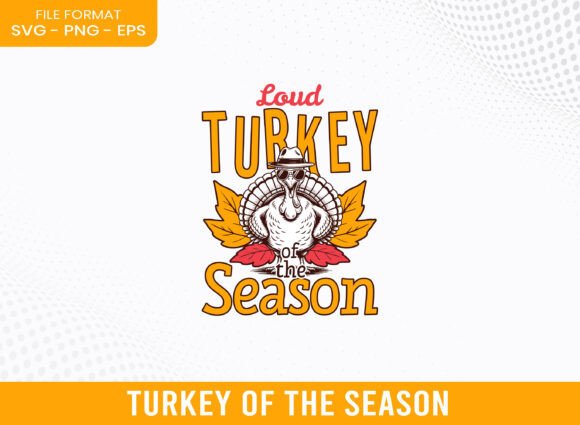
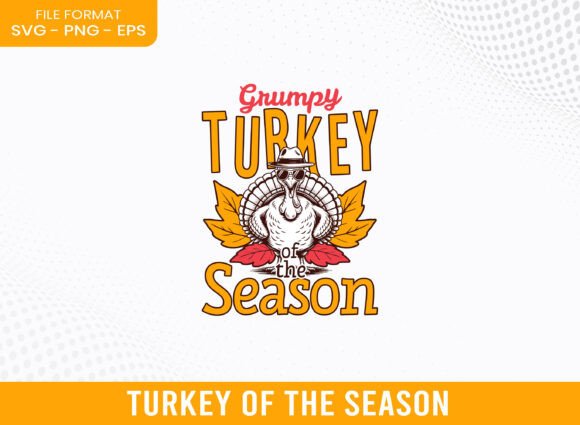
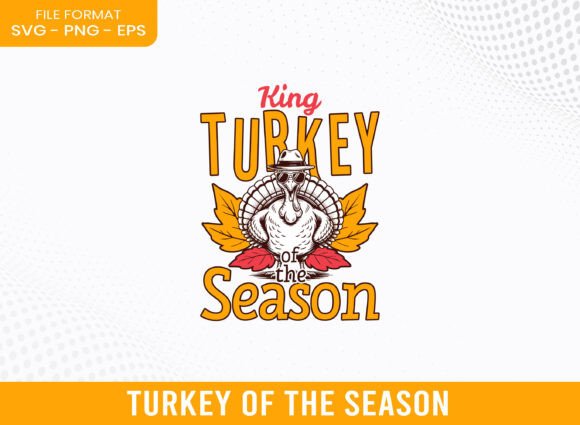
As someone who’s stitched hundreds of seasonal designs—from delicate baby onesies to bold boutique sweatshirts—I opened King Turkey of the Fall Season SVG expecting charm, not cliché. What I found was a balanced, confident illustration: a plump, friendly turkey crowned with maple leaves and acorns, standing upright with quiet dignity—not cartoonish, not stiff, but warmly human. The composition feels intentional: centered weight, generous negative space around the bird’s outline, and subtle layering in the tail feathers that suggests depth without overcomplicating stitch paths. It’s clearly built for embroidery translation—not just vector prettiness—and that makes all the difference when you’re prepping for a real project.
Where This Design Truly Shines (and Why)
I tested King Turkey of the Fall Season SVG as the centerpiece for a custom embroidered canvas tote bag—intended for a local farm-to-table market vendor. On medium-weight natural canvas, with a light tear-away stabilizer and 40-weight cotton thread, the design stitched cleanly at roughly 4.5" wide. The turkey’s body held crisp satin-stitch definition, the leaf crown read as cohesive fill-stitch texture (not muddy), and the acorn accents popped without needing extra underlay. Customers paused mid-aisle—not because it screamed “Turkey!”, but because it felt like a gentle, handmade invitation to slow down and savor the season. That’s the quiet strength of this design: it supports storytelling, not shouting.
It also translated beautifully onto a lightweight organic cotton baby blanket—scaled down to 3.2"—where softness and clarity mattered most. No tiny beak details got lost; no feather edges bled into the fabric. As an embroidered patch, it held structure well on twill-backed denim, and as a sweatshirt embroidery motif (centered chest, 4.75"), it balanced heft and charm without overwhelming the garment’s silhouette.
Real-World Considerations Before You Stitch
This isn’t a one-size-fits-all embroidery file—and that’s okay. Its 100 vector shapes mean flexibility, but also demand attention. On stretchy knit fabrics (like a cozy raglan tee), I added cutaway stabilizer behind the hoop and reduced stitch density slightly in the tail feather fills to prevent puckering. On dark fabric, I confirmed contrast by testing thread colors in both warm amber and deep burnt umber—neither washed out, but the amber gave more lift against charcoal grey.
Curved surfaces—like structured baseball caps—require careful hooping and possibly slight digitizing tweaks to the bottom curve of the turkey’s base so it doesn’t distort. And while the design avoids micro-detail, the acorn stems and leaf veins are fine enough that they’ll blur on ultra-thin fabrics (think gauzy tea towels or lightweight linen napkins) unless stabilized with a light iron-on mesh.
- Test first: Always run a sample on scrap fabric matching your final product’s weight, weave, and stretch.
- Check licensing: Since this is a digital embroidery file sold as Graphics, confirm commercial use rights before listing finished embroidered items on Etsy or in your craft business.
- Mock it smart: View the design in black-and-white mockups—especially if offering it as a printable mockup for clients or digital product previews.
- Hoop size matters: At full recommended scale, it fits comfortably in a 5x7 hoop—but verify your machine’s actual stitching area before committing to tight margins.
What This Design Says About Your Brand—Without a Word
When your customer sees King Turkey of the Fall Season SVG stitched on a handmade apron, a nursery pillow cover, or a holiday gift set, they’re not just reading “Thanksgiving.” They’re sensing care in curation—someone chose warmth over noise, detail over clutter, tradition with a modern hand. That builds trust. For Etsy sellers and small shop owners, that subtle professionalism lifts perceived value: a $38 embroidered kitchen towel feels like a keepsake, not a seasonal throwaway.
It also plays well across audiences. Grandparents love it on baby embroidery projects—not too busy, not too babyish. Boutique owners appreciate how it anchors a cohesive fall collection: pair it with simple monogrammed tea towels, minimalist maple-leaf patches, or neutral-toned sweatshirt embroidery and you’ve got brand consistency without repetition.
Design Notes Every Embroidery Designer Should Keep Handy
Before using King Turkey of the Fall Season SVG in client work or production, ask yourself:
- Does my stitch density match the fabric’s breathability? Dense fill stitches trap heat—critical for baby embroidery or wearable apparel.
- Are my thread colors enhancing—or competing with—the natural tones of the material? A cream thread on oatmeal linen reads differently than on ivory cotton poplin.
- Have I checked corner clarity? The turkey’s wingtip and leaf tips are rounded, but still need clean stop points—no trailing running stitches.
- Will this hold up through washing? Satin-stitched crowns hold better than dense fill-only areas on frequently laundered items like kitchen towels or kids’ clothes.
- Is the design sized appropriately for its context? A 2.5" version works on a cap front; the same size on a tote bag looks timid.
Finally—don’t skip the stabilizer check. Even with “easy color change” versatility across light and dark garments, poor stabilization undermines contrast, distorts shape, and erodes the handmade product’s polish. A solid base lets the design’s personality shine through, not just its outline.
Not Just Another Holiday Clipart File
King Turkey of the Fall Season SVG stands apart because it’s designed *for making*, not just displaying. It respects the limits and joys of real-world embroidery: the way thread catches light on canvas, how stabilizer affects drape on baby clothes, why certain curves stitch smoother than others on curved seams. Whether you’re a seasoned commercial embroidery operator or a hobbyist launching your first craft business, this design gives you room to express seasonality with sincerity—not saturation. Use it thoughtfully, test it honestly, and let it become part of something people reach for, again and again, every autumn.