Mug Abstract Design Template
First Impressions: Bold, Balanced, and Built for Texture
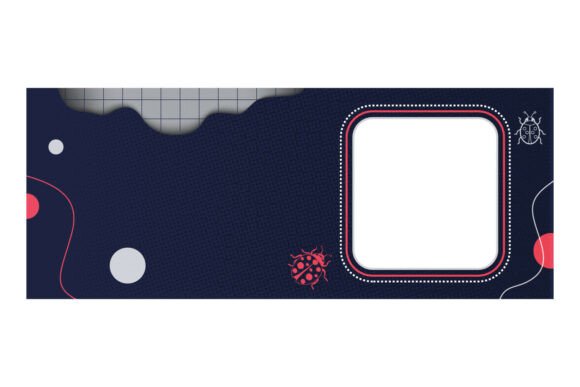
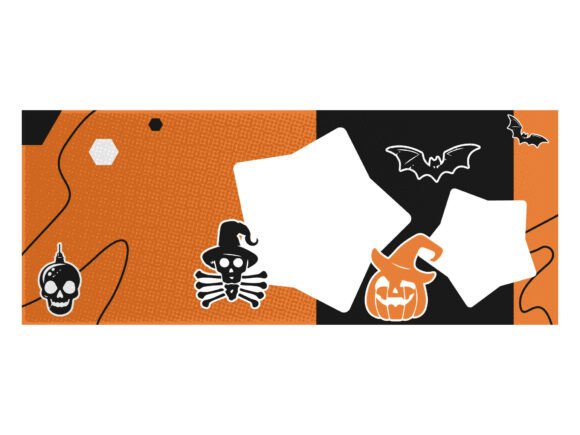
When I opened the Mug Abstract Design Template for the first time, I didn’t see “mug” — I saw rhythm. It’s a confident composition: asymmetrical but grounded, layered without clutter, with organic curves that suggest movement rather than rigidity. The layout feels intentional for embroidery — not too wide for standard hoops, not too tall to overwhelm a pocket or sleeve. As a designer who regularly translates graphics into stitchable assets, I immediately noticed how its visual weight sits comfortably between minimalism and expressionism. It doesn’t scream; it resonates. That makes it unusually versatile — equally at home on a linen tea towel as it does on a heavyweight cotton sweatshirt.
A Real Project Test: Embroidering It onto a Linen-Cotton Kitchen Towel
Last week, I used the Mug Abstract Design Template to create a small-batch set of embroidered kitchen towels for a local boutique. Why this design? Because abstraction reads clearly at modest sizes (4.5" wide), holds up under repeated washing, and avoids trends that date quickly. Stitched in matte cotton thread on natural unbleached linen-cotton blend, the design landed exactly as I’d hoped: tactile, warm, quietly sophisticated. Customers responded to its handmade authenticity — not because it’s flashy, but because it feels *considered*. That’s the quiet power of a well-balanced abstract embroidery file: it elevates the object without competing with it.
Where It Shines (and Where It Needs Thought)
The Mug Abstract Design Template excels in applications where subtlety and texture matter:
- Custom apparel: Works beautifully on crewneck sweatshirts and relaxed-fit tees — especially when placed off-center or along a seam line.
- Tote bag design: Scales cleanly to 5–6" wide without losing definition; its open negative space prevents stitch buildup on canvas.
- Embroidered patch: Clean outer edges and moderate detail make it ideal for iron-on or sew-on patches on denim jackets or backpacks.
- Baby embroidery: Gentle contours and no fine linework mean it stitches reliably on soft interlock knits — just pair it with lightweight cutaway stabilizer.
- Holiday embroidery & personalized gifts: Its neutral yet distinctive character fits seamlessly into curated gift sets — think monogrammed pillow covers or embroidered aprons for new homeowners.
Use With Intention — Not Assumption
This isn’t a “drop-in-and-stitch” graphic for every surface. Here’s where attention matters:
- Small hoop sizes: While it adapts well down to ~3.75", avoid shrinking below that — subtle curves begin to flatten, and satin stitch transitions lose their flow.
- Textured or stretchy fabric: On terry cloth or jersey, use medium-weight tear-away + light cutaway combo. The design’s fluid lines can blur if stabilizer shifts during stitching.
- Dark fabric: Test thread colors thoroughly. Some mid-tone greys or heathers in the original palette may recede; a warm oat or deep charcoal often reads stronger than expected.
- Curved surfaces (caps, curved pockets): Its balanced center mass helps — but always do a test run on a cap blank before committing. Avoid placing it too close to the bill seam.
- Frequent-wash items: Confirm stitch density isn’t overly aggressive — dense fill areas should still breathe. If your machine defaults to high-density fills, reduce by 10–15% for longevity.
What It Adds to Your Craft Business — Beyond the Stitch
As an Etsy seller and small shop product developer, I judge design assets not just by how they stitch, but how they shape perception. The Mug Abstract Design Template strengthens brand consistency without locking you into one aesthetic — it’s adaptable enough for modern nurseries, artisan coffee shops, or slow-living lifestyle brands. It signals care in curation, not just execution. When customers see this on a handmade product, they don’t just register “embroidery.” They register intention — and that builds trust faster than any description ever could.
It also performs well in digital spaces: the clean silhouette and balanced contrast hold up in printable mockups and social media thumbnails. Whether you’re listing it as a digital embroidery file or using it to build a cohesive craft business collection, it reads as professional — never generic, never overworked.
Practical Designer Notes Before You Stitch
Before loading the Mug Abstract Design Template into your machine or adding it to your shop:
- Run a test on scrap fabric matching your final project’s weight and weave — especially if using textured, dark, or stretchy materials.
- Check thread color contrast on both light and dark backgrounds — what reads as elegant on ivory may disappear on navy.
- Review stitch density visually in your embroidery software — look for tight clusters or long satin runs that might pucker thin fabrics.
- Confirm hoop size compatibility with your machine and intended placement (e.g., cap frames vs. flat hoops).
- Zoom in on corners and inner curves — ensure no tiny details are lost or distorted at your target size.
- Test a black-and-white version in your mockup tool — abstraction relies heavily on value contrast, not just hue.
- Use appropriate stabilizer: lightweight cutaway for knits, medium tear-away for stable wovens, and fusible + tear-away for delicate linens.
- Verify licensing terms before selling finished products or reselling the digital embroidery file — this is essential for Etsy sellers and commercial embroidery professionals.
Final Thought: A Design That Earns Its Place
The Mug Abstract Design Template isn’t about filling space — it’s about honoring it. In a landscape crowded with literal motifs and over-rendered icons, it stands out by trusting the viewer’s eye and the maker’s hand. It works because it’s designed *for* embroidery, not just exported to it. Whether you’re stitching baby onesies, building a craft business catalog, or sourcing design assets for client apparel projects, this template earns its spot in your working library — not as decoration, but as thoughtful, functional craft.